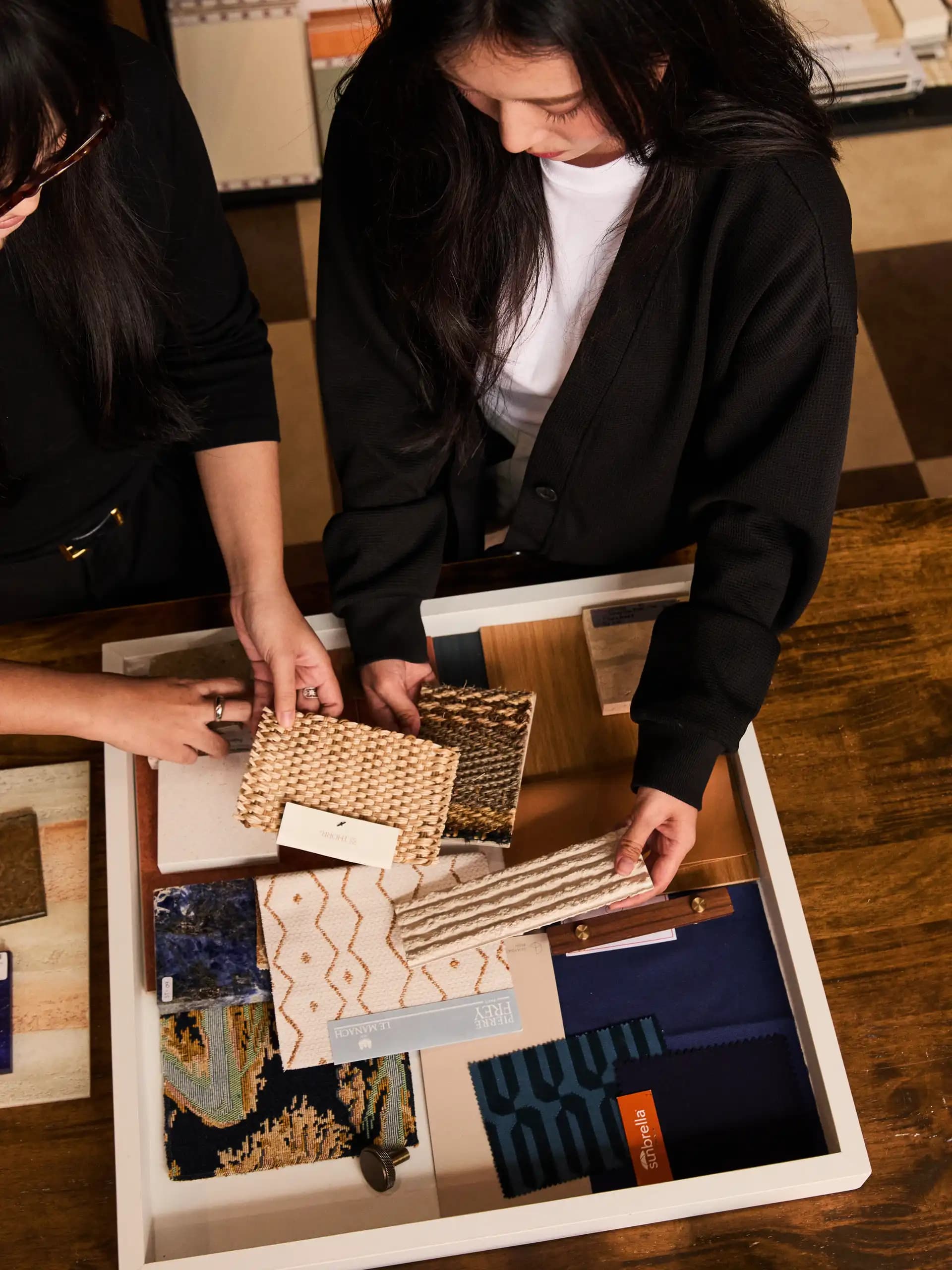
THE OBJECTS WITHIN THE ART AND IMPORTANCE OF FF&E
Exploring how furniture, fixtures, and objects shape the character, experience, and story of a space.
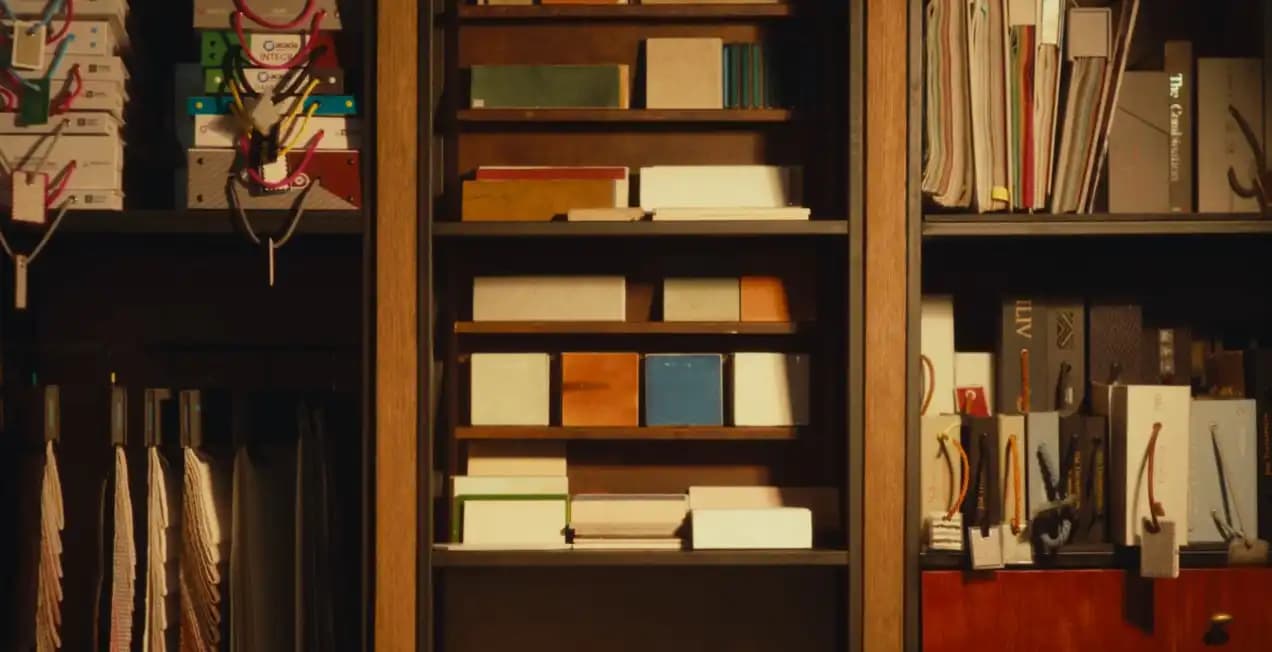
When we think of interior design, we often think of the design of a space — from spatial planning and functionality to the aesthetics of a building. Yet the experience of a space is not shaped by its larger architectural elements alone. It is also shaped by the smaller details we may not consciously notice at first, or the objects we interact with and experience every day.
A chair we sit on. A lamp that illuminates the space. A table we use. The objects that surround us. Each plays a role in creating an atmosphere, shaping how a space feels, and giving it a distinct character.
These elements are part of FF&E — Furniture, Fixtures and Equipment.
FF&E is the discipline of selecting and designing the various elements within a space, including furniture, fixtures, and equipment, so that every component works together seamlessly — in terms of aesthetics, function, and the overall mood of the project.
BEYOND THE DETAILS
FF&E can sometimes be viewed simply as another layer of detail within a space — something added after the design of the space itself has been completed.
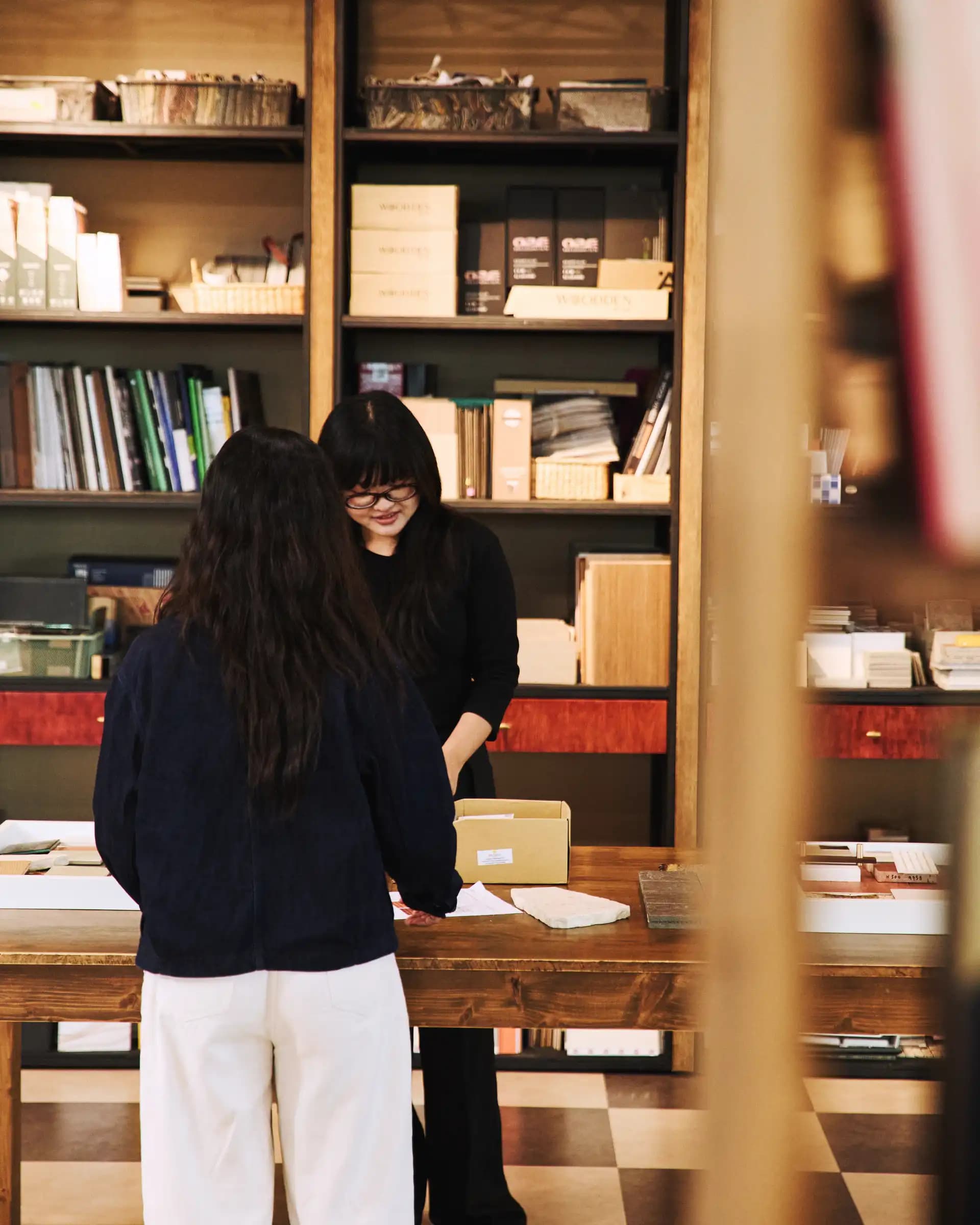
For Ratchaneekorn Nakkarin (Ae), Co-founder of Siwa, however, her experience in FT&E at HBA, a global design practice specialising in hotels, resorts, spas, and luxury residences, has become an important part of the perspective that shapes Siwa's approach to design.
For Siwa, FF&E is not simply the final layer of decoration. It is an integral part of the design process from the beginning. These elements play an important role in shaping not only how a space looks, but also how it is experienced and perceived.
A beautiful space is not complete simply because its architecture or interior design is beautiful. The objects within it help bring the space together — defining its proportions, supporting its function, creating its atmosphere, and giving it a sense of life and character.
.webp&w=3840&q=75)
For this reason, Siwa does not approach FF&E simply as a matter of selecting furniture to make a space look beautiful.
Instead, every element is considered: Is the proportion right for the space? Does the material align with the concept? How will people use the space? What mood and feeling does each piece create? And how does it work together with the lighting, architecture, and artwork?
Ultimately, the intention is for every element to "speak the same language," without necessarily looking the same.
Creating a space with character does not mean that every element needs to match. It is about understanding the role each element plays, and knowing how to bring them together to create a story that feels cohesive.
DESIGNING FOR EXPERIENCE
This becomes particularly important in hospitality design, where these elements carry value beyond aesthetics. They are directly connected to the guest experience.
A chair in a hotel lobby, for example, is not simply a chair. It becomes part of a guest's experience — from how they feel while sitting, to how they wait, gather, interact, and ultimately perceive the space around them.
In this sense, FF&E is not simply an element that completes the visual identity of a space. It plays an important role in shaping experience, perception, and the character of a brand.
When every element is thoughtfully selected and designed with intention, a space can communicate something without having to say a word.
"Every detail tells a story. A journey through spaces where stories quietly unfold through every detail." - Siwa